

Our Journey: Built on Rigorous Research
From 2020 to 2023, The Biolabs partnered with Nanyang Technological University (NTU) scientists to validate the neuroprotective power of our proprietary tropical herbal extract through advanced cell-culture and animal studies. These findings suggest measurable support for locomotor and cognitive health, and we’re now preparing human clinical trials to continue delivering evidence-backed, natural brain health solutions.
weekly highlights
Discover UBrain
Explore the science, research, and stories behind UBrain—from understanding migraines to our NTU research collaboration and the science that powers our natural brain health solutions.
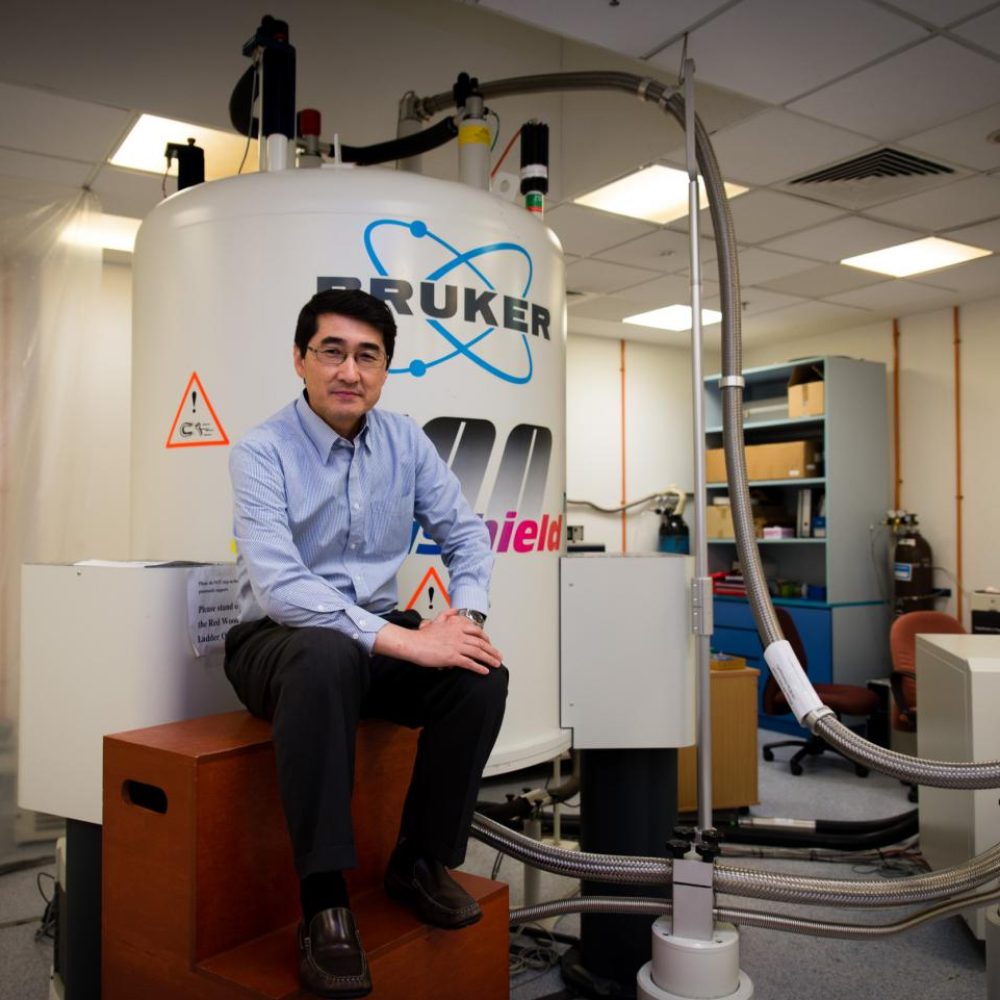
Lead Researcher of The Biolabs
Learn about Prof Yoon Ho Sup and his Biological Science team…
Prof Yoon Ho Sup
Nov 18, 2025 • UBrain Research
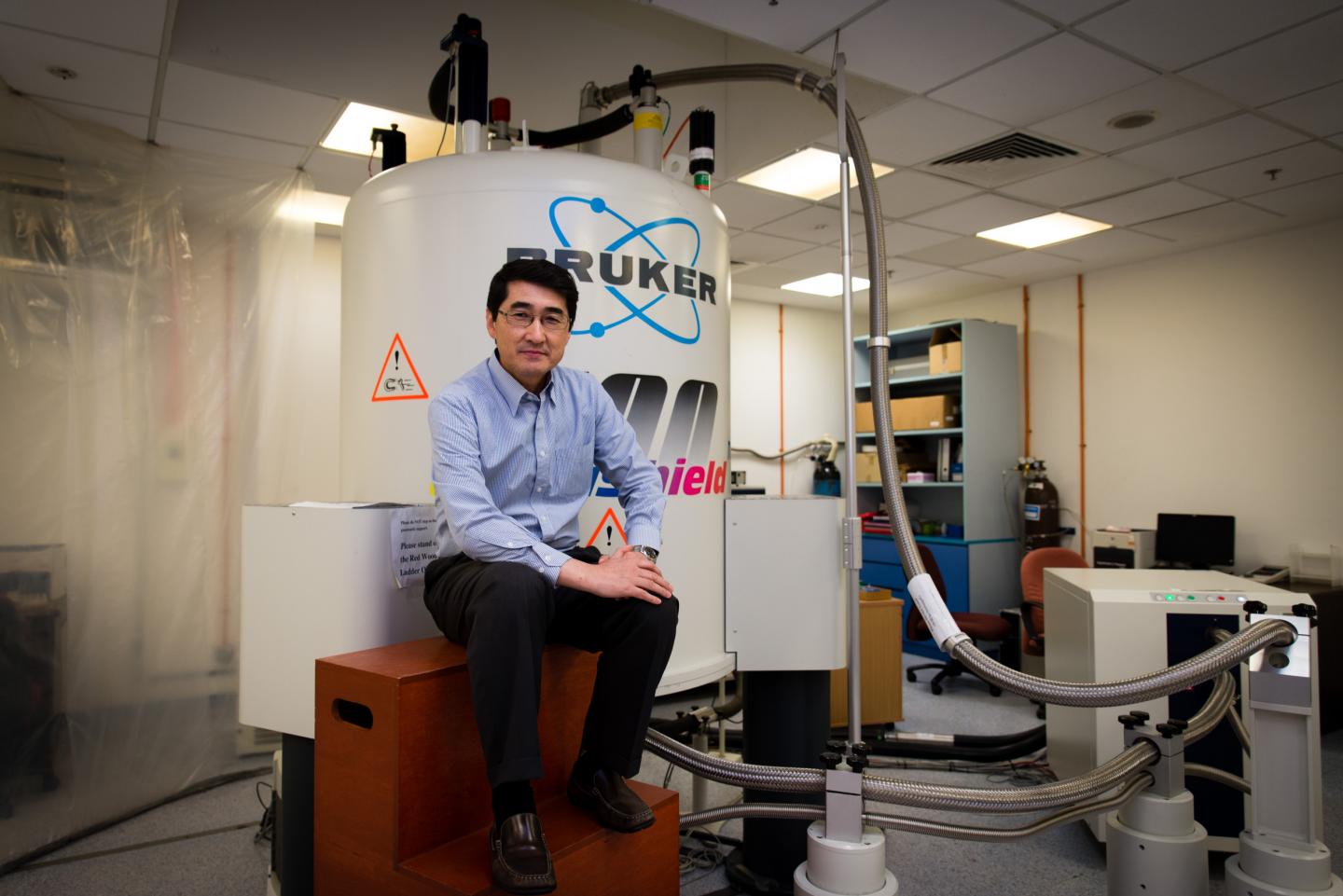
Academic Profile
Prof Yoon Ho Sup
Executive Vice President, CHA University, South Korea
President, CHA Advanced Research Institute
Professor, College of Pharmacy
Email: hsyoon@chamc.co.kr
Principal Investigator for RCA with The Biolabs Pte Ltd
Professor, School of Biological Sciences
Nanyang Technological University, NTU
Email: hsyoon@ntu.edu.sg
Biography
Prof Yoon Ho Sup is currently the Executive Vice President of CHA university, South Korea. He is also the President of CHA Advanced Research Institute.
Before joining CHA University in August 2021, he was the Research Director (Biomedical Sciences) in the President’s Office and Professor in the School of Biological Sciences at Nanyang Technological University (NTU), Singapore.
He received his BSc from Seoul National University and MSc from Korea Advanced Institute of Science and Technology (KAIST), and PhD (Biochemistry & Molecular Biology) from the University of Chicago.
Before joining NTU, he worked as a Research Scientist and Sr. Research Scientist at Abbott Laboratories, USA. He joined the School of Biological Sciences in February 2002 as one of the founding faculty members.
Prof Yoon has done pioneering research in deciphering how the Pleckstrin homology (PH) domain recognizes phosphoinositides and understands the molecular mechanism of the pro-survival Bcl-2 family proteins and the biological role of molecular chaperones on the stability of the pro-survival proteins.
Prof Yoon’s current research programs focus on the structural plasticity of the anti-cell death proteins, roles of immunophilins in human diseases, the transcriptional activation mechanism of orphan nuclear receptors, and intrinsically disordered proteins in conformational disorders such as Parkinson’s Disease.
Prof Yoon has published on the order of 100 journal papers in highly regarded journals. He has successfully secured multi-million dollar competitive extramural research grants from funding agencies, such as A*STAR-Biomedical Research Council, Ministry of Education, Singapore Cancer Syndicate, and Ministry of Health-National Medical Research Council.
Prof Yoon’s service contributions have been impeccable, serving in various roles and capacities. He served as Head of Chemical Biology and Biotechnology Division (2010-11) and Structural Biology and Biochemistry Division (2011-2014) and Director of Biosciences Research Centre at the School of Biological Sciences (2016- Feb 2018).
He also served on several grant and award committees. He has been active in conference organization both locally and internationally and has rendered his service to the research community as a reviewer for various peer-reviewed journals.
He is a Council Member of Asia Pacific Protein Association (APPA) and participating Principal Investigator of the Consortium for Functional Glycomics (CFG). Prof Yoon was the recipient of the Abbott Drug Discovery Impact Award 2000. Prof Yoon is currently an editorial board member of Frontiers in Oncology and Pharmacology. In July 2016, Prof Yoon was elected as a Fellow of The Royal Society of Chemistry (FRSC).
Research Interests
Apoptotic cell death mechanism; Molecular chaperones in cancer and neurodegenerative diseases; Nuclear receptor-ligand Interaction; Biomolecular NMR; Mitotic Kinases and histones; Structure-based drug design.
Keywords: Biomedical Sciences & Life Sciences
Current Projects
Discovery of small molecule ligands for Nurr1
Targeting PGA1-Nurr1 pathway
The Spike protein as a crucial tool to design vaccines, ELISA-based diagnostics and therapeutics
Validation of small molecule ligands for Nurr1
Selected Publications
Rajan, S., Jang, Y., Kim,C-H., Kim, W., Toh, H.T., Jeon, J., Song, B., Serra, A., Lescar, J., Yoo, J.Y., Beldar, S., Liu, X.W., Feitosa, M., Kim, Y., Hwang, D., Goh, G., Lim, K-L., Park, H.M., Lee, C.H., Oh, S.F., Petsko, G.A., Yoon, H.S. and Kim, K.S. (2020). PGE1 and PGA1 bind to Nurr1 and activate its transcriptional function. Nature Chemical Biology, 16, 876-886.
Tae-Yoon Park, Yongwoo Jang, Woori Kim, Joon Shin, Hui Ting Toh, Chun-Hyung Kim, Ho Sup Yoon, Pierre Leblanc and Kwang-Soo Kim. (2019). Chloroquine modulates inflammatory autoimmune responses through Nurr1 in autoimmune diseases. Scientific Reports, 9(1), 15559.
Prakash A, Shin J, Rajan S, Yoon HS. (2016). Structural basis of nucleic acid recognition by FK506-binding protein 25 (FKBP25), a nuclear immunophilin. Nucleic Acids Research, 44(4), 2909-25.
Kim CH, Han BS, Moon J, Kim DJ, Shin J, Rajan S, Nguyen QT, Sohn M, Kim WG, Han M, Jeong I, Kim KS, Lee EH, Tu Y, Naffin-Olivos JL, Park CH, Ringe D, Yoon HS, Petsko GA, Kim KS. (2015). Nuclear receptor Nurr1 agonists enhance its dual functions and improve behavioral deficits in an animal model of Parkinson’s disease. Proceedings of the National Academy of Sciences of the United States of America (PNAS), 112(28), 8756-61.
Rajan S, Austin D, Harikishore A, Nguyen QT, Baek K, Yoon HS. (2014). Crystal structure of Plasmodium vivax FK506-binding protein 25 reveals conformational changes responsible for its noncanonical activity. Proteins, 82(7), 1235-1244.
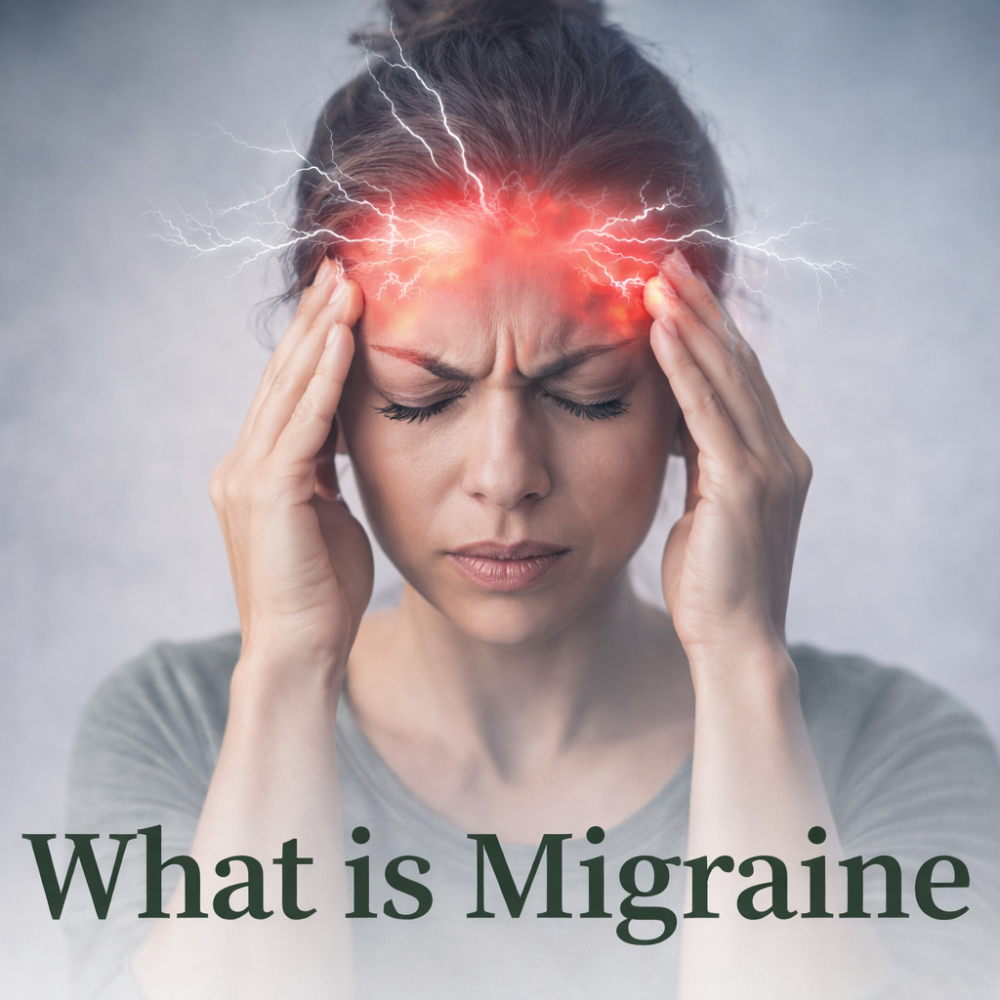
What is Migraine?
Understand what migraines are, their symptoms, and how they differ…
What is Migraine?
Nov 10, 2025 • UBrain Research

What cause Migraine? Chemical compounds associated with causing or triggering migraines can be categorized into endogenous mediators (produced within the body) and exogenous triggers (found in food, environmental sources, or medications). Understanding these compounds helps in identifying potential triggers and developing effective treatment strategies.
Endogenous Chemical Mediators (Biological): These substances are released during the “migraine cascade” and are primary targets for modern treatments. Key mediators include Calcitonin Gene-Related Peptide (CGRP), a potent vasodilator and neuropeptide released from the trigeminal nerve that is considered a key mediator of migraine pain and neurogenic inflammation. Serotonin (5-HT) levels fluctuate with migraines, typically low between attacks and spiking during an attack, causing blood vessels to narrow. Nitric Oxide (NO) is a soluble gas that causes vasodilation and is involved in the neuroinflammatory cascade. Other important mediators include Glutamate, a major excitatory neurotransmitter crucial for central sensitization and pain transmission; Pituitary Adenylate Cyclase-Activating Peptide (PACAP), which can induce migraine-like attacks; Histamine, released during mast cell degranulation, acting on H1 and H3 receptors to trigger inflammation and pain; and Substance P, a neuropeptide released by the trigeminal nerve that contributes to neurogenic inflammation.
Exogenous Chemical Triggers (Dietary): These are compounds found in food and beverages that can precipitate an attack in sensitive individuals. Tyramine, an amino acid found in aged cheeses, fermented foods, cured meats, and some alcohols, triggers migraines by affecting blood vessels and neurotransmitter levels. Nitrates and Nitrites, preservatives used in processed meats like hot dogs and bacon, can dilate blood vessels. Monosodium Glutamate (MSG), a flavour enhancer, may overstimulate nerve cells, though its role as a universal trigger is debated. Artificial Sweeteners such as aspartame and sucralose are commonly reported dietary triggers. Caffeine acts as a “double-edged sword”; it can relieve pain but also trigger attacks through withdrawal or overconsumption. Phenylethylamine (PEA), found in chocolate, can affect brain chemistry and blood flow. Octopamine, a substance found in citrus fruits, may aggravate migraine frequency.
Exogenous Chemical Triggers (Environmental): Beyond dietary sources, environmental factors can also trigger migraines. Umbellulone is a volatile compound from the “headache tree” (Umbellularia californica) that activates the TRPA1 receptor on sensory neurons. Environmental Pollutants such as pentachlorophenol (PCP) and Bisphenol A (BPA) have been linked to migraine signalling in experimental models. These external triggers, combined with the body’s internal chemical mediators, create a complex cascade that leads to migraine attacks. Identifying and avoiding personal triggers, whether dietary or environmental, is an important part of migraine management alongside medical treatments that target the endogenous mediators.
Rediscover your life
See how UBrain 100 helps people reclaim daily routines, rejoin…
Rediscover your life
Nov 20, 2025 • UBrain Research
We started The Biolabs years ago with the hope of improving people’s lives that have been affected by neurodegenerative diseases like Parkinson’s and dementia.
Our first product UBrain 100 is the result of years of intensive research in creating a proprietary blend of all-natural herbs, and UBrain 100’s effectiveness in addressing diseases like Parkinson’s and dementia has been demonstrated through testing conducted by a leading Singapore university.
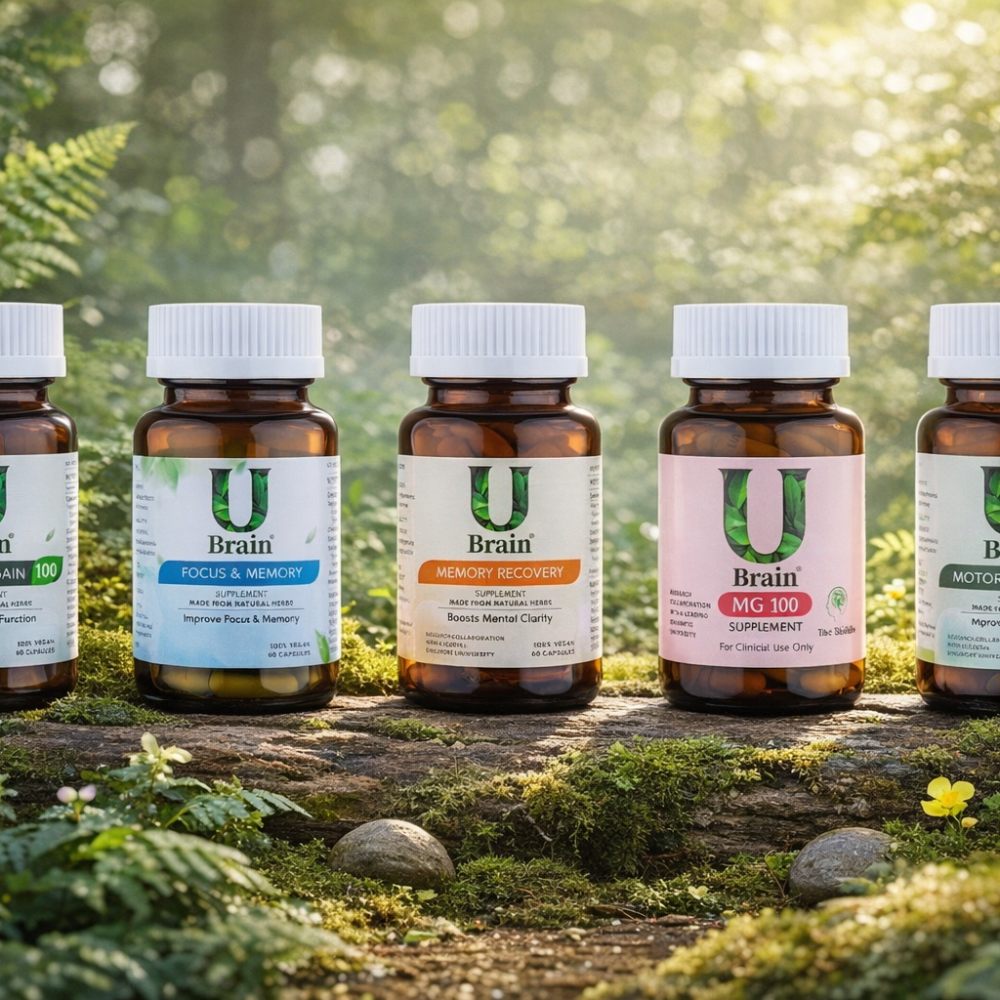
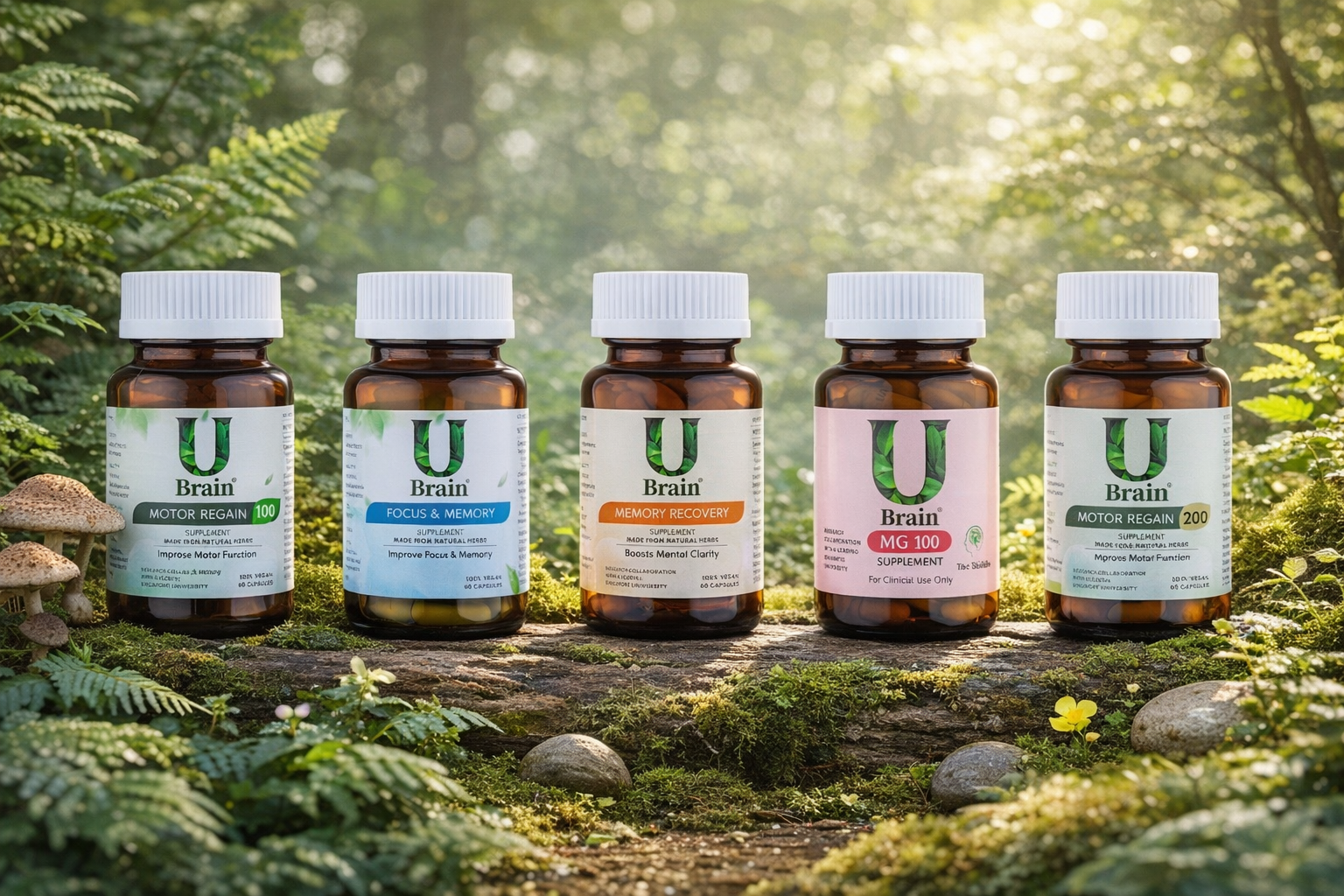
Always Striving for the Best. We aim to constantly research and improve our products to better serve our customers. That’s why since coming out with UBrain 100 we’ve also released UBrain Focus & Memory for mental performance and prevention of diseases, UBrain MG-100 for people with chronic migraines.
What is UBrain?
Learn how years of development turned a proprietary tropical herbal…
What is UBrain?
Nov 18, 2025 • UBrain Research
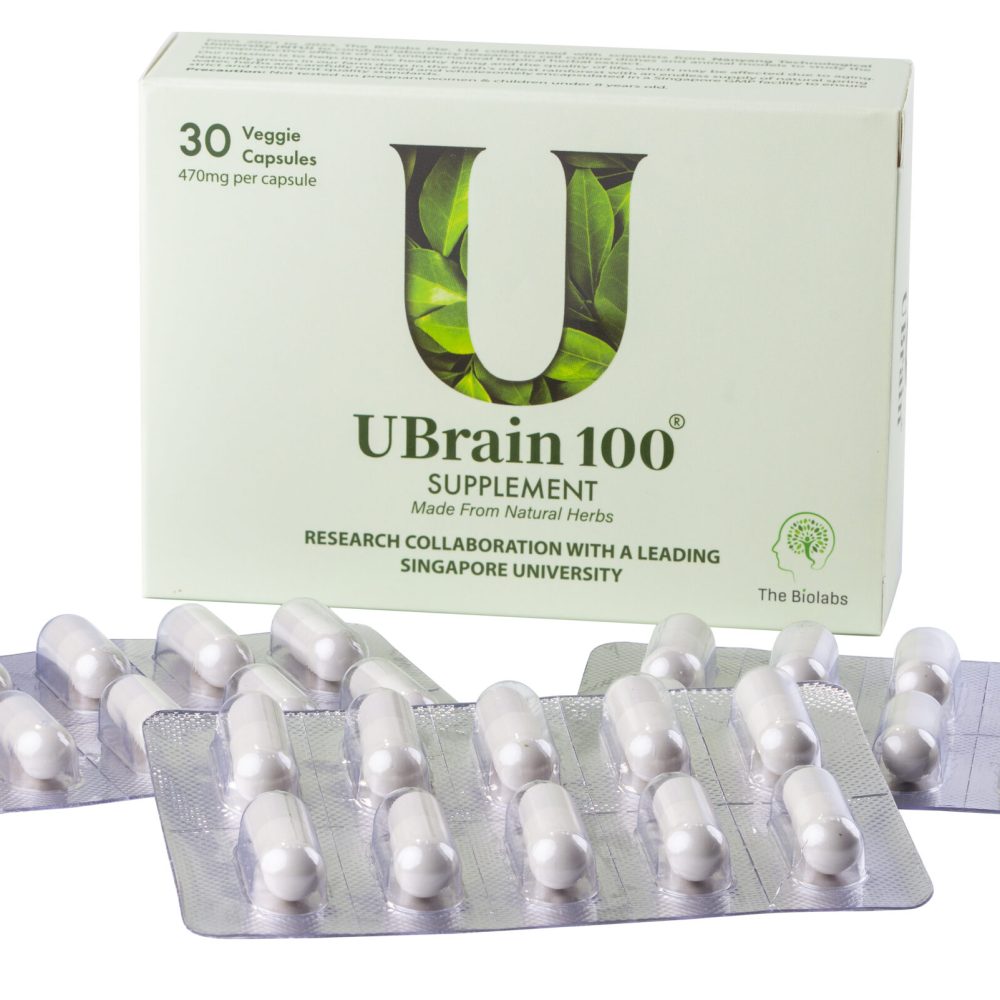
UBrain 100 is the result of breakthrough research and its effectiveness has been tested by leading scientists in Singapore.
Our special blend of herbs replenishes vital nutrients to your brain and can restore functionality that has disappeared due to disease, ageing, stress and oxidation.
UBrain 100 was tested and manufactured in Singapore Good Manufacturing Practices (GMP) facilities to ensure that strict and consistent quality standards are met.
THREE CORE VALUES. Our Passion Defines Us. We aim to make the most effective products possible. We are driven everyday to make sure our products work for the right people. We’re fully committed to ensure we have the strictest quality control possible so that every capsule reaches you exactly the way we intended it to. We grow all of our herbs in our farms deep in the rainforest and use all-natural ingredients with no added fillers or toxins to ensure only pure nutrients reach you.
What inside UBrain capsule?
Dive into our rare tropical botanicals, how they are sourced…
What inside UBrain capsule?
Nov 13, 2025 • UBrain Research
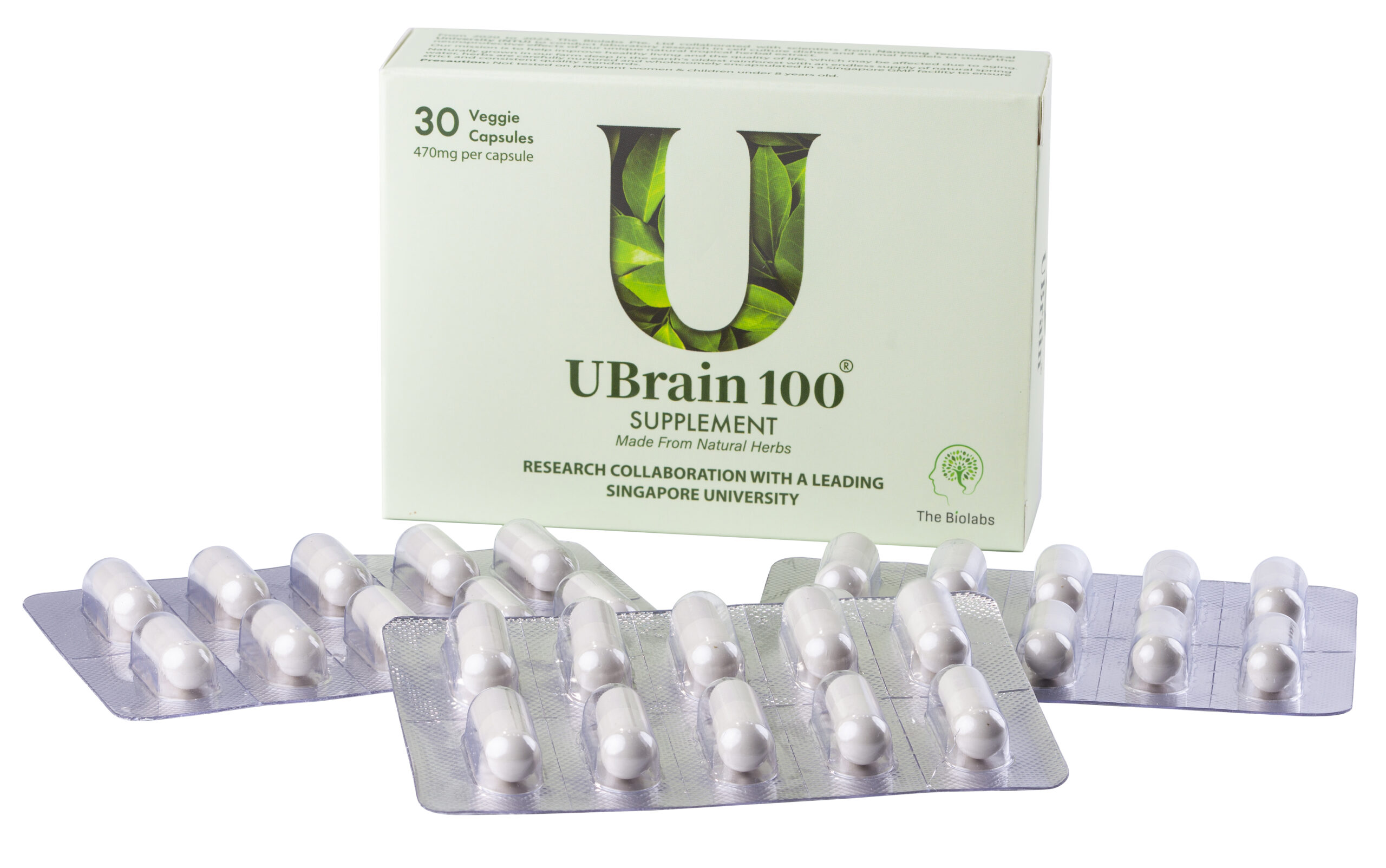
UBrain’s primary ingredient is a proprietary blend of rare tropical herbs found deep in the rainforest. We found that these herbs replenished vital nutrients in your brain that are naturally lost over-time due to stress, ageing, disease and oxidation. In replenishing these missing nutrients back to your brain, we can improve the conditions resulting from the original deficiencies. The benefits are further compounded by the herbs ability to increase blood flow to your brain and increase healthy dopamine supply that deteriorates with age.
Results of our research
Discover how our NTU collaborations, locomotor studies, and upcoming clinical…
Results of our research
Nov 11, 2025 • UBrain Research
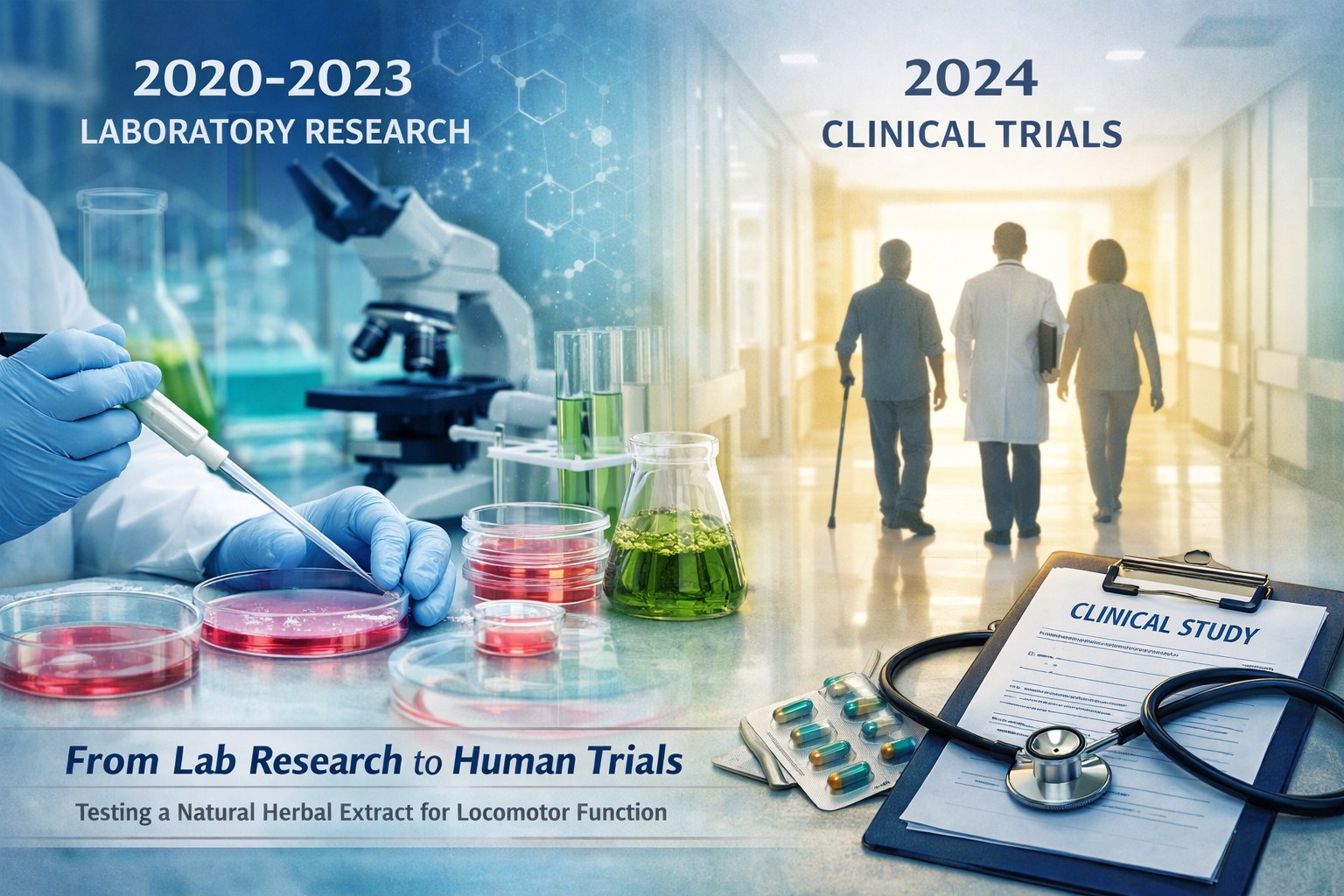
Years of research, testing and planning. From 2020 to 2023, The Biolabs Pte. Ltd. collaborated with scientists from Nanyang Technological University (NTU) to conduct laboratory research in cell culture dishes and animal models to study the neuroprotective effects of our unique natural tropical herbal extract.
The laboratory results suggest that our unique natural tropical herbal extract may have beneficial effects on locomotor function.
The Biolabs Pte. Ltd. is scheduled to commence clinical trials on human subjects from 2024.

When Daily Life Returns: Real Stories of Recovery and Renewal
When Daily Life Returns: Real Stories of Recovery and Renewal
Nov 11, 2025 • UBrain Research

What happens when progress begins quietly? These personal stories follow individuals who, over time, regained mobility, memory, and the confidence to return to work, family visits, and everyday joys they once thought were lost.
Case 1: 5-Year Parkinson’s Journey to Renewed Activity
In 2021, a woman with 5 years of Parkinson’s disease reached out to us. She began taking 2 capsules of UBrain twice daily (1 before breakfast, 1 before dinner).
Within 2 months, she noticed improvements and increased her dosage to 3 capsules twice daily. This adjustment allowed her to resume household tasks and return to work. She continued consistently, and later reported being able to roll over in bed independently and even play badminton.
Today, she remains active and stable, with her dosage reduced back to 2 capsules twice daily. To date, she has taken a total of 160 bottles.
Case 2: 67-Year-Old Regains Relief After Interruption
A 67-year-old man first tried UBrain 100 in 2022. After 5 bottles, he felt his symptoms had returned to normal but stopped use to explore other treatments.
In early June 2025, he contacted us again to purchase 4 bottles—at the time, his hand tremors were severe and his lips twitched frequently. We delivered UBrain on June 2, 2025, at 2:30 PM, and advised him to take his first dose before dinner at 6 PM that day.
The next morning, he messaged to say he felt well: his lip twitching stopped by 10 PM the previous evening and did not return. He has been taking 3 capsules twice daily since June 2, 2025.
Case 3: 70+-Year-Old Reconnects with Family Post-COVID
A man in his late 70s had not left his home for 3 years since the start of the COVID-19 pandemic in 2020. In 2023, he saw UBrain available at a hospital pharmacy during a medical appointment, and was given our contact details for further questions.
He started with 3 bottles, taking 2 capsules twice daily. After 1 month, he reordered another 3 bottles, sharing that he could now take the bus to visit his daughter. He continues to take UBrain regularly to this day.
Case 4: Stroke Patient Recovers Memory and Returns to Work
A patient at Rehab Hospital experienced memory loss and movement difficulties following a stroke. His wife learned about UBrain from a retail store assistant.
After discharge, he combined UBrain with home-based rehabilitation, following a daily routine with the product. Over the next year, he saw significant improvements in sleep quality, and most of his memory was restored. He has since returned to his job and remains stable.
Always Striving for the Best
We constantly research and refine our formulas so every capsule serves you better. Since launching UBrain 100, we’ve expanded with UBrain Focus & Memory for mental performance and UBrain MG-100 for chronic migraines—each crafted to keep minds clear and resilient.
The best way to stay healthy is by staying mentally healthy—and we’re here to support that journey.